TECHNICAL INSPECTION • DIGITAL WORKFLOW • FULL TRACEABILITY
Better inspections, clear results – all in one place.
BuildEXT connects design, coordination and inspection in one shared data environment, so every site finding reaches the model the same day.

TECHNICAL INSPECTION • DIGITAL WORKFLOW • FULL TRACEABILITY
Better inspections, clear results – all in one place.
On complex projects, technical inspection delivers value when issues surface early, before they become costly or contentious. BuildEXT connects design, coordination and inspection in one shared data environment, so every site finding reaches the model the same day.
WHERE RISK HIDES
No issue reported? It doesn’t mean it does not exist!
On a high-value investment, a problem is rarely noticed or reported on the day it happens. It surfaces once the structure is closed up, the invoice is paid, or the warranty period has run out. Technical inspection exists to close that gap, before it turns into a cost.
Does what the contractor actually built match the approved drawings, the technical scope of the contract and current regulation, or does it only match the site log?
Were covered elements (mechanical spaces, structures above suspended ceilings, cabling, cleanroom layers) recorded with verifiable accuracy before they disappeared from view for good?
Does the inspector’s finding reach the design model and the project’s information system, or does it stay in a spreadsheet and a signed site minute?
If a dispute comes up with the contractor, or during the warranty period, is there time-stamped, traceable evidence of the actual condition, or only memory, a photo and good faith?
Can the inspection and condition data generated at handover be used directly in operations and a future FM system, or does it need to be recreated?
These questions shape BuildEXT’s technical inspection service from the moment a project’s plan, schedule and budget take shape, well before construction wraps up.
In Hungary, the role and scope of the technical inspector is set out in Government Decree 191/2009 (IX. 15.). BuildEXT treats this as the baseline and extends it with model-based verification tools.
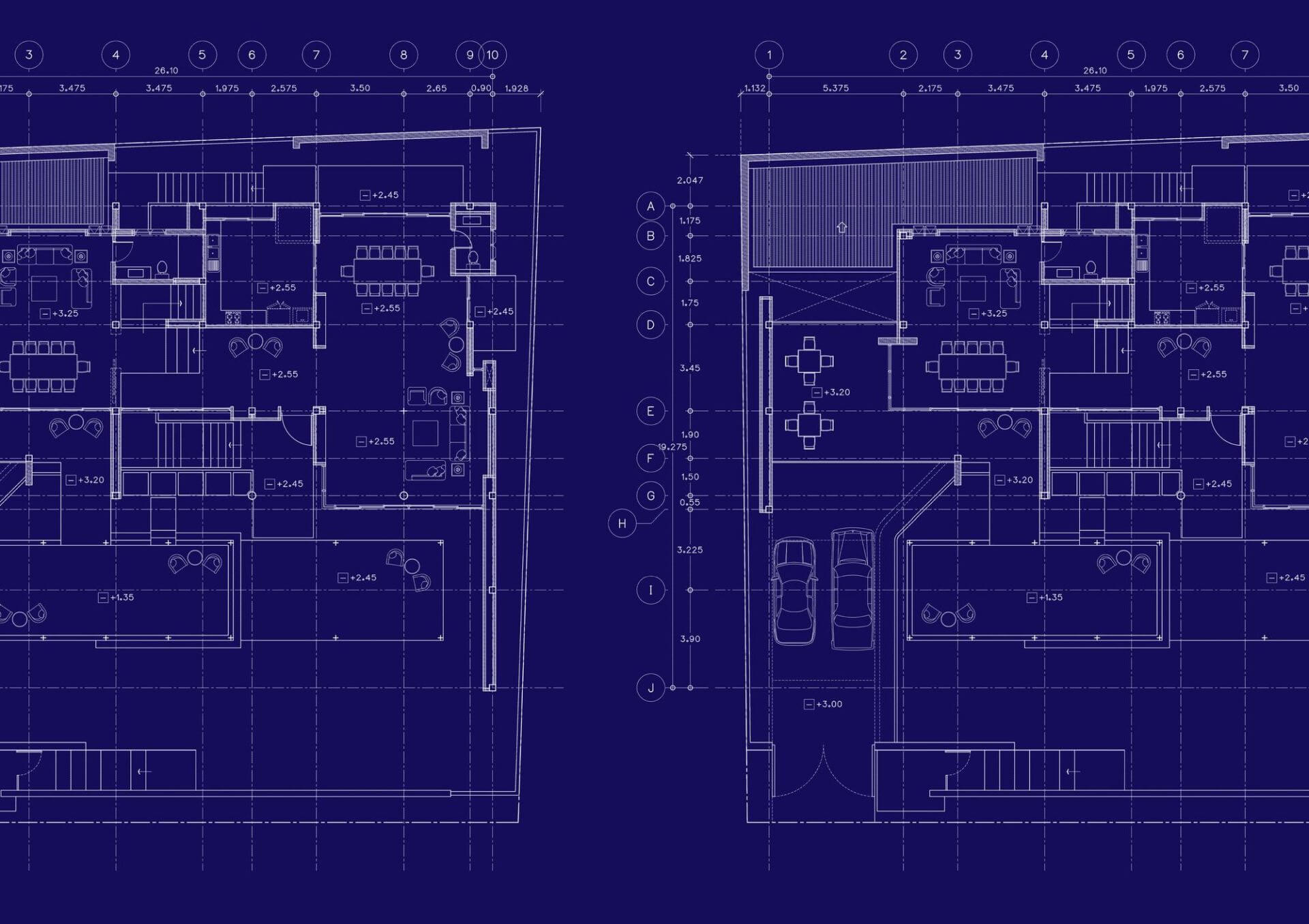
3 DIMENSIONS, ONE APPROACH
Design, findings & information on one platform
In every project, we follow our professional disciplines. This is the foundation of how we work: regardless of which service area BuildEXT approach is always based on design thinking, engineering control and digital continuity
01
Design thinking
Inspection looks at the designer’s intent, not just the finished state on site. That takes an understanding of what was designed and why, a kind of insight that’s often missing on a team that’s purely construction-side or purely advisory.
02
Engineering Control
Discipline-specific engineering control from the first earthworks through the final warranty walk-through, covering architecture, structure, mechanical and electrical together, at a level well beyond general schedule and quality checks.
03
Digital Continuity
Inspection findings, point cloud comparisons and site approvals are all recorded in the same Common Data Environment as the drawings, construction documentation and FM-ready asset information.
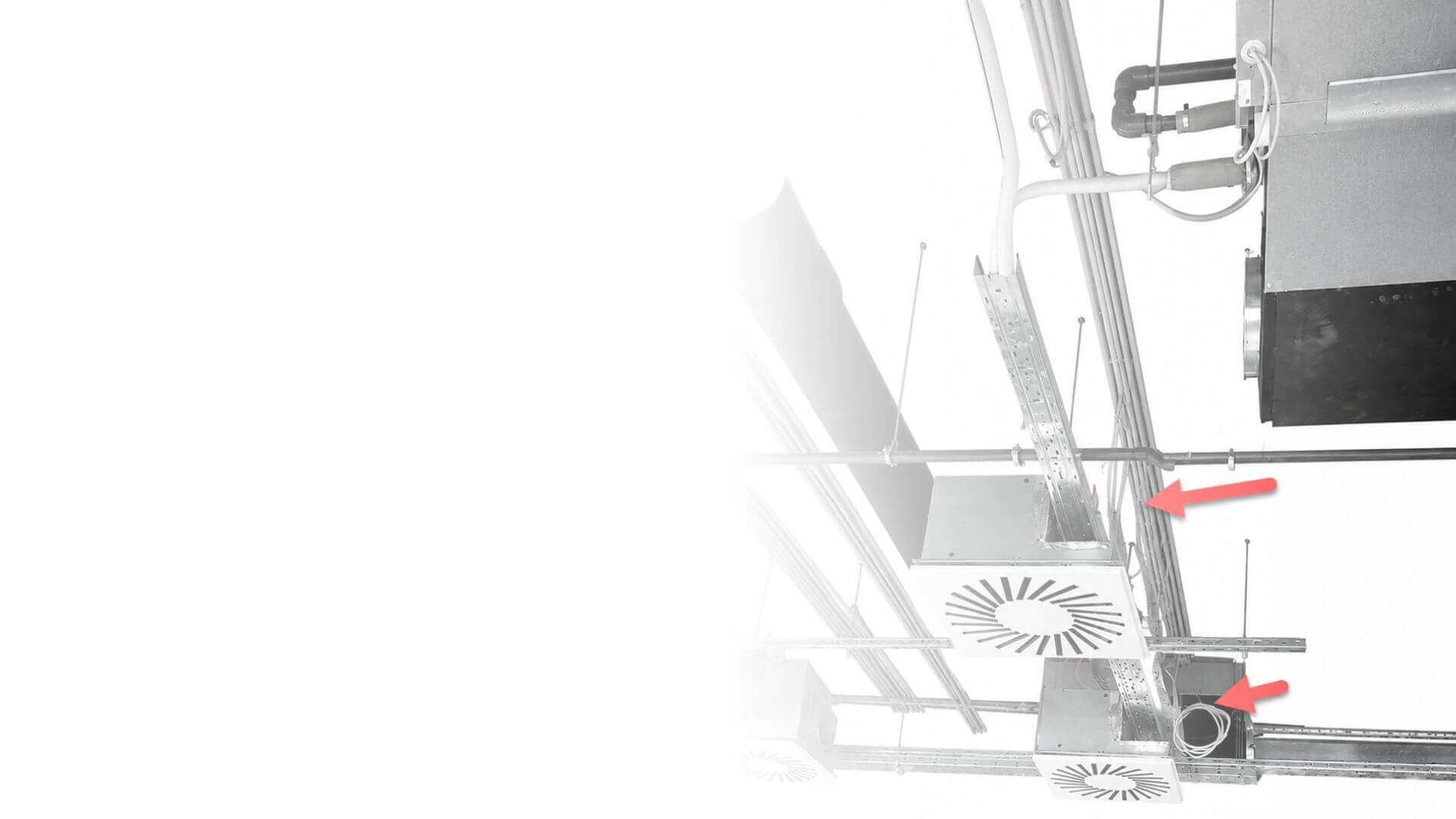
DIGITAL TOOLS ON SITE
What the eye can’t see, we measure.
A technical inspection is only as credible as the data behind it. These are the tools we use on site, in the moment before covered work disappears and there’s still time to correct it.
Point cloud verification
We capture the as-built condition with laser scanning and compare the resulting point cloud against the design model. This allows us to identify and measure deviations before elements are concealed or subsequent works begin.
AR-based site verification
Augmented reality allows the design to be reviewed directly in the physical space and from multiple viewpoints. This makes clashes, offsets and installation errors easier to identify than in conventional 2D drawings. In densely coordinated mechanical areas, the workflow turns an on-site visual judgement into a measurable spatial check.
Virtual site walks
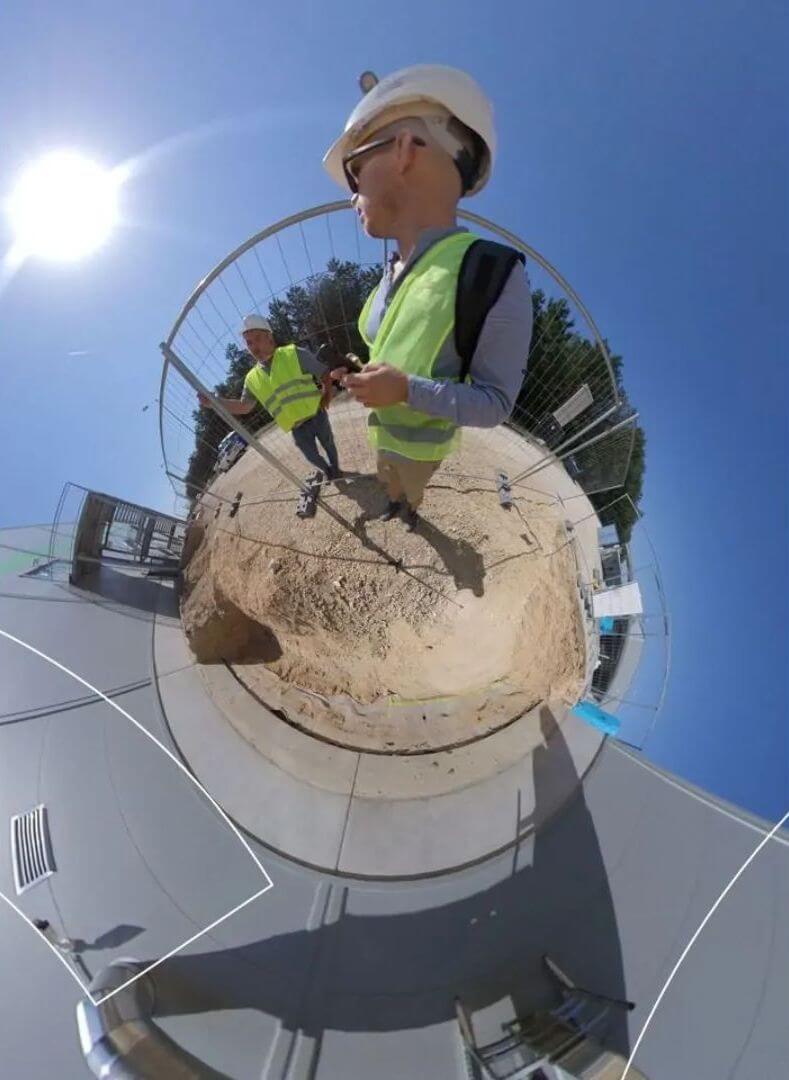
The construction site is documented periodically with 360° imagery and shared through a common project environment. Project participants can review progress remotely, revisit specific locations and compare changes over time from any device. This keeps change management fast, traceable and supported by visual evidence.
300 000 m²
ANNUAL PROJECT VOLUME
150
ENGINEERS
2008
FOUNDED
ISO 19650
CERTIFICATION
WHERE BUILDEXT STANDS
One connected workflow from design to technical inspection
Technical inspection is often added to a project as a separate service, with its own reports, workflows and information structure. BuildEXT integrates it into the same BIM-based environment used for design coordination, construction and handover.
INDEPENDENT CONSULTANCY
Standalone technical inspection
In a conventional setup, the inspection team reviews drawings and construction documentation prepared by others. Findings are communicated through reports, meeting minutes and issue-management processes. This creates a parallel information flow that must be coordinated with the design and construction teams.
MULTIDISCIPLINARY ENGINEERING GROUP
Multidisciplinary delivery
Larger engineering organisations can bring design, project management and technical inspection under one corporate structure. This provides access to broad professional expertise, although information continuity still depends on the processes and systems connecting the individual teams.
BUILDEXT
BIM-integrated technical inspection
Our inspectors work with the coordinated models and project documentation already used by the design and construction teams. Supported by in-house architectural, structural and building-services expertise, findings, approvals and site records remain linked to their exact location and project context. This helps resolve issues faster and maintain information continuity through to FM-ready handover.
CASE STUDY
When the covered structure is the biggest risk
In industrial and technically complex investments, development is rarely limited to a single building. Existing infrastructure, an operating environment and new technology requirements together decide what can actually be inspected, and how.
CLEANROOM INVESTMENT · TECHNICAL INSPECTION + PROJECT MANAGEMENT
Hybrid project management in a cleanroom investment
We joined the ongoing site development of an automotive products manufacturer and assembler, providing technical inspection and project management. The goal was an ISO 7 cleanroom within an existing part of the building, together with its mechanical and social spaces. The main challenge was fitting a walkable suspended ceiling on a steel frame, and all the mechanical services a cleanroom needs, into a reinforced concrete structure.
Point cloud comparison: we checked the fit of the steel structure with a Leica RTC360 scanner, to within ±2 cm, in a two-day turnaround, before it was covered.
Plan to BIM: we built a 3D model from 2D dwg drawings of the densely packed mechanical space, so the contractor could verify the spatial fit.
Weekly virtual walk-throughs: we documented progress with an OpenSpace 360° camera, enabling real-time change management from a distance.
Result: the steel structure fit within the specified tolerance, and construction continued on the tight schedule.
GET IN TOUCH
Planning an investment, or already mid-construction?
It’s worth talking about it early. In an initial technical conversation, we review where the investment currently stands and which inspection points are worth locking down now.
Where the investment currently stands technically, and what documentation already exists
Which inspection points are critical: before covering, before handover, during warranty walk-throughs
What CDE or documentation expectations are already in place, and what’s missing
What a realistic next step looks like: a site visit, taking over existing drawings, or joining an ongoing construction project directly
Send us the site address, the land registry number, or the existing drawings. That’s enough to start the conversation.
HEADQUARTERS
BuildEXT Kft.
H-1027 Budapest, Horvát utca 14-24.
ZenGarden Office Building
+36 1 386 7505
INTERNATIONAL OFFICE
BuildEXT GmbH
Maximilianstrasse 27
80539 München