INVESTMENT · STUDIO 08
Project Management by BX
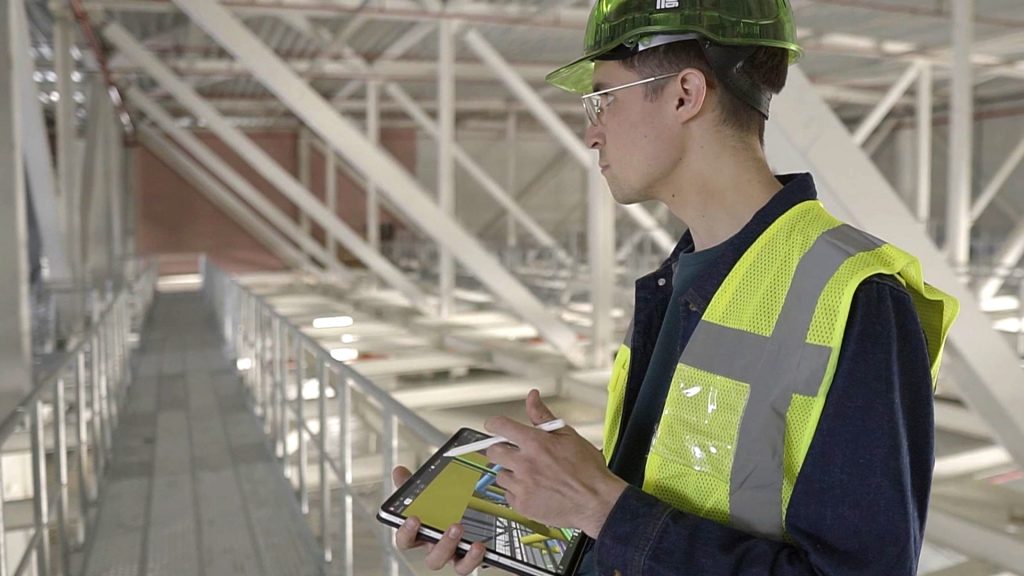
Management of construction, refurbishment and fit-out projects with an engineering mindset, in a common data environment, with traceable decisions and controlled information flow.
INVESTMENT · STUDIO 08
Project Management by BX
Management of construction, refurbishment and fit-out projects with an engineering mindset, in a common data environment, with traceable decisions and controlled information flow.
HOW WE WORK
We manage the project in an information system where decisions, tasks, documents, changes, risks and approvals can be tracked in a common data environment. This is especially important in larger, multi-party or technically complex projects, where information loss almost always creates schedule, cost and quality risks.
PROJECT FOUNDATIONS
Frameworks, rules and complete information flow
A fundamental problem in construction projects is that participants do not work from the same information.
A decision is made in an email, a change remains in a meeting minute, a design version does not reach everyone, and an open issue only comes up when it already has an impact on construction. In these cases, the project does not start to become more expensive and slower in a spectacular way, but through small losses of information.
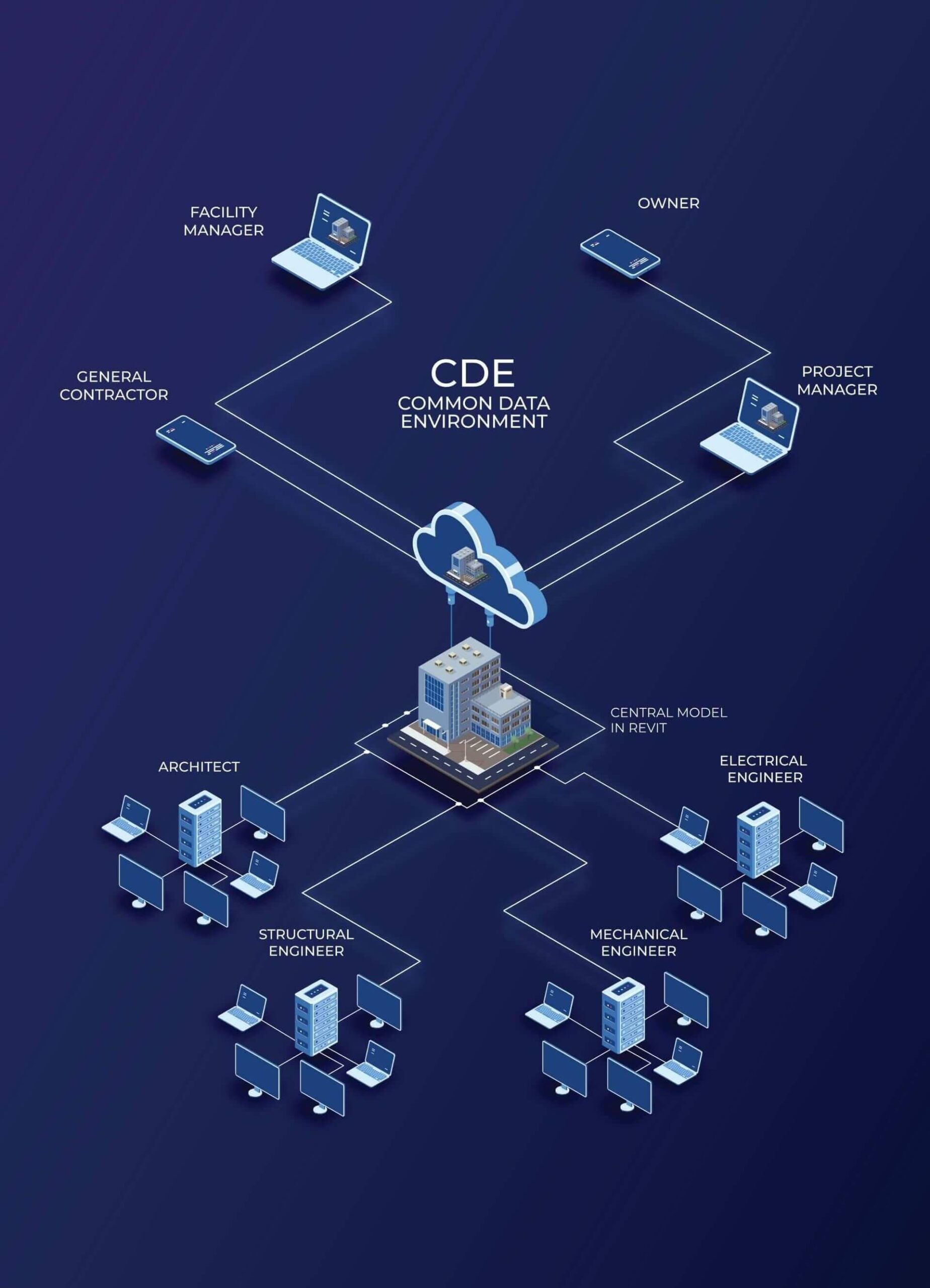
BuildEXT’s project management approach addresses exactly this: in a project managed in a common data environment, the project status, responsible persons for tasks, the background of decisions and the impact of changes can be queried from anywhere during the process, and modified in a transparent and traceable way.
This is especially important when:
- many disciplines and external partners are working on the project at the same time,
- work has to be carried out in an existing building, in an operating environment or under tight deadlines,
- fast, well-founded decisions have to be made,
- changes, approvals and open technical questions occur frequently,
- at the end of the project, well-structured documentation can also provide useful information for operation.
Using a CDE-based project platform, we provide automated cost analysis, real-time process control, and transparent decision support. The result: 20-40% lower construction costs, guaranteed deadlines, and a significant reduction in investor risk.
OUR APPROACH
Engineering control in a Common Data Environment
We start project management at the beginning of the project by setting up the CDE environment. We define roles, processes, decision points, document management rules, approval workflows, and communication protocols.
01
Project start-up and operating framework setup
At the beginning of the project, we define the objectives, roles, responsibilities, decision levels and meeting rhythm. We set up the project structure in which designers, contractors, client-side participants and external partners can work together transparently.
In this phase, we also configure how the common data environment will operate: permissions, folder structure, design management logic, approval workflows, task categories and reporting procedures.
02
Scheduling, task tracking and responsibility control
We connect the schedule with tasks, decisions and related documents. In the common data environment, it becomes traceable who is responsible for which task, with what deadline, in what status, and which open issues require a client-side or discipline-specific decision.
03
Decision preparation and change management
We manage change management in a structured and transparent way. We record the decision situation, the alternatives, the technical and financial consequences, the responsible persons and the deadlines, so the project can move forward along traceable decision points.
04
Design, document and approval management
One of the most critical conditions of a project is that work must always be based on current, approved information. Managing and communicating the individual design versions, documents, incoming data, discipline responses and approvals is therefore extremely important.
In a CDE environment, it is clear to every participant which document is current, what is under approval, what has been returned, and which information can be used for the next decision or construction step.
05
Design and construction coordination
With the involvement of our engineers and BIM specialists, we manage discipline interfaces, design clashes, open technical questions, site issues, RFIs and approval requests during design and construction coordination. The aim is that problems are not discovered on site, too late and at high cost.
06
Cost, risk and reporting support
One of the most important tasks of project management is to ensure that the client can see in time where decision-related or financial risks may arise. This requires a well-structured, transparent data structure. By reporting open issues, changes, offers, approvals and construction statuses clearly and based on real data, well-founded management decisions can be made.
07
Handover and operations-ready project information
It usually only becomes clear at the end of a project how well structured the documentation, product data, warranty information, changes and as-built data are, and whether information is available on the difference between the as-designed and as-built states.
INFORMATION CONTINUITY IN A COMMON DATA ENVIRONMENT
Common information, common reality
A common data environment (CDE) works well when it is an active tool for the day-to-day management of the project: task management, design versioning, approvals, issue management, decision tracking and the preparation of handover information all take place there.
01 Unified project structure
At the beginning of the project, we set up the folder structure, permissions, naming convention, statuses and approval workflows.
➔ less information loss, more transparent operation.
02 Control of design versions and documents
The current status of designs, documents and discipline deliverables becomes traceable.
➔ lower risk of someone working from outdated information.
03 Tracking tasks and responsible persons
Open issues, deadlines and responsible persons are not stored in emails or notes, but can be tracked in a structured way.
➔ more precise accountability, faster closure.
04 Searchability of Decisions and Changes
The background, approval and impact of decisions remain documented.
➔ fewer disputes, better change management.
05 Management of site issues and RFIs
Construction questions, defects, photos, site walk observations and responses can be managed in one system.
➔ faster response, more organised site communication.
06 Preparing handover and operation data
Documents, product data and as-built information generated during the project remain available in a usable format for handover.
➔ more organised handover, easier operation.

THREE DIMENSIONS, ONE PLATFORM
Typical project situations
In a construction or fit-out project, the greatest risk usually comes from the late recognition of decisions, deadlines, technical issues and cost impacts. The role of project management is to identify risks early and prepare decision situations.
01
Office building development
In office building development, real estate development, tenant, operational, design and construction considerations appear at the same time.
02
Industrial and technology investment
In an industrial environment, project management means not only construction coordination, but also the close alignment of technological requirements, discipline interfaces, operational conditions and construction phases.
03
Complex or special technology
In the case of cleanrooms, laboratories, swimming pools, data centres or other projects with special or complex technological and architectural requirements, excellent project management is especially critical.
04
Office modernisation and fit-out
When transforming an existing office, the technical conditions, operational needs, internal decision-making and construction deadlines must be managed at the same time.
CASE STUDIES
Specific project management assignments
Project management is essential when many participants, many decisions and many risks are moving at the same time within a project. The examples below show how BuildEXT’s engineering and CDE-based project management approach supports more predictable implementation.
Project management in a cleanroom investment
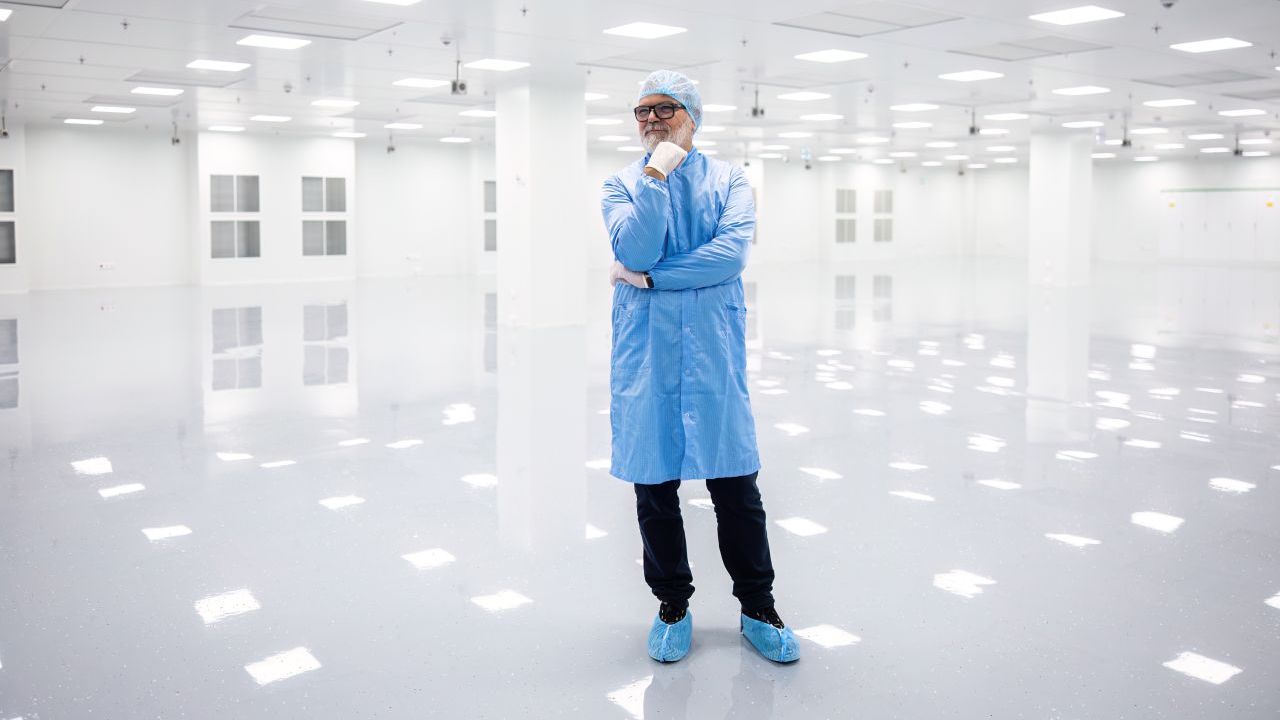
We joined the ongoing 1,200-square-metre site development of a company manufacturing and assembling automotive products with technical supervision and project management services. Our task was to support the construction of the cleanroom investment and improve its efficiency.
Office building modernization
The project originally started as an interior design assignment, but after the first presentation it took a completely different direction, when it became clear that the real corporate goals required a larger-scale development with a new concept and related project management.
Expansion of a steel structure prefabrication plant with an office building
We were commissioned by one of Hungary’s leading steel structure manufacturing and construction companies to design the expansion of its office in Sárospatak and support it with BIM-based project management.
300 000 m²
PER YEAR
0 week
DELAY IN DELIVERY
2008
FOUNDED
ISO 19650
CERTIFICATION
I would like to thank you for the support you provided in several rounds, and for your active contribution to preparing the material.
PAYMENT INSTITUTION, FINANCE AND HR DIRECTOR, BUDAPEST
CONTACT
Are you about to start a project?
Let’s talk about it in advance.
During an initial technical meeting, we will review the current status of the project, the decisions that need to be made, and which design, technical, or BIM coordination issues should be addressed early on.
No strings attached and no obligation to accept an offer.
HEADQUARTERS
BuildEXT Ltd.
1027 Budapest, Horvát utca 14-24.
ZenGarden Office Building
+36 1 345 2000
INTERNATIONAL OFFICE
BuildEXT GmbH
Maximilianstrasse 27
80539 München