
ARCHITECTURE · MULTIDISCIPLINE COORDINATION · BIM-BASED DESIGN
General design
Architectural and discipline design under one coordinated BIM-based process – from concept through permitting to construction documentation.
ARCHITECTURE · MULTIDISCIPLINE COORDINATION · BIM-BASED DESIGN
General design
Architectural and discipline design under one coordinated BIM-based process – from concept through permitting to construction documentation.
How we help
In general design, we organise the client’s objectives, the architectural concept, discipline requirements and feasibility considerations into one coordinated design process: through architectural design, discipline coordination, BIM-based design review, permitting documentation and construction documentation.
RELIABLE DESIGN
Coordinated design, fewer conflicts
We are developing a design process in which technical decisions are made in a coordinated, model-based manner from the early stages onward, taking the entire life cycle into account.
We manage disciplines, client decisions, design changes and construction-related requirements in a shared information environment, so project participants can rely on the same current, verified data. This supports faster coordination, fewer clashes, clearer responsibilities and more accurate decisions.
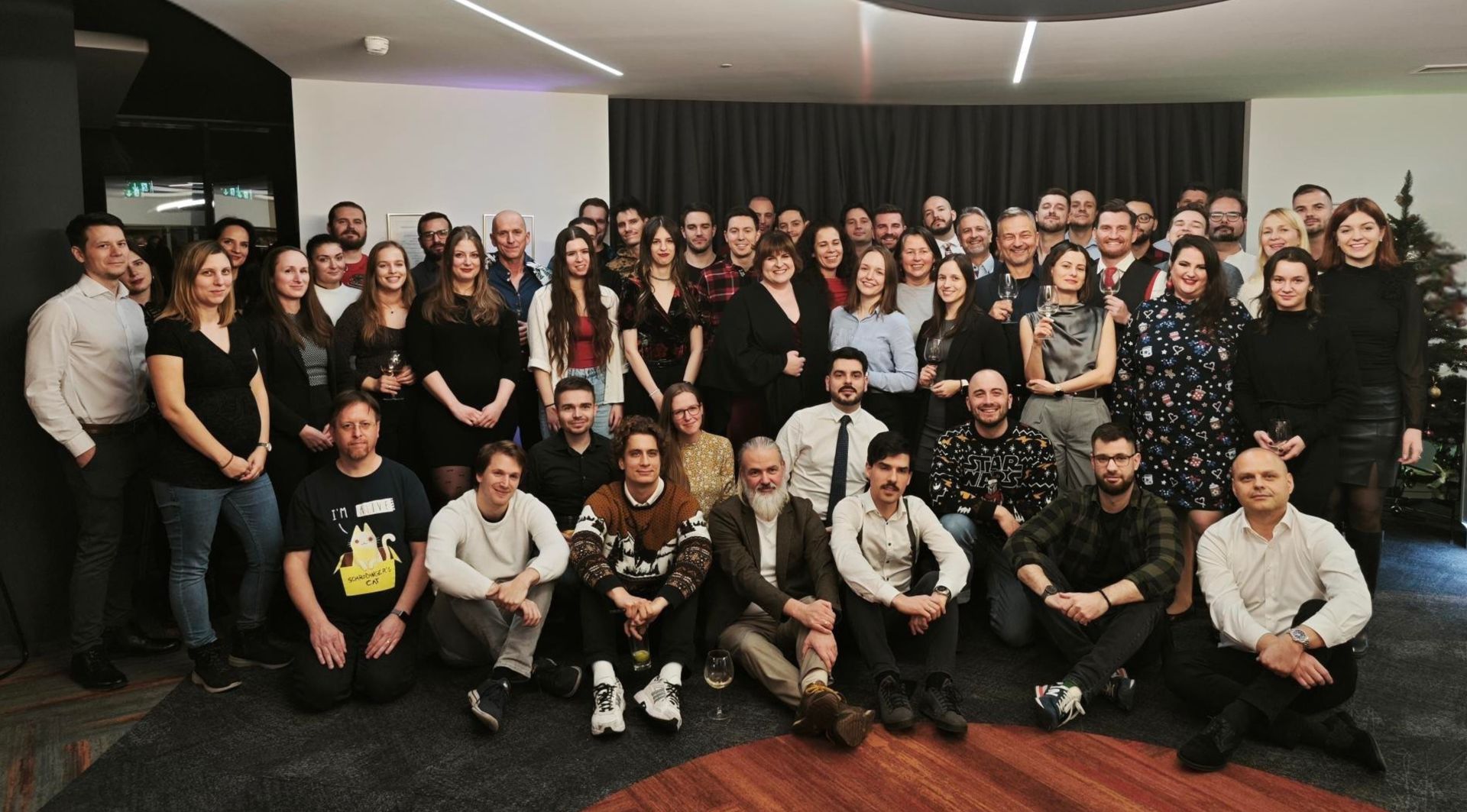
We handle architectural, structural, mechanical, and technological design – as well as full-scale project management – all as a single team, from the bidding process through technical supervision to handover.
OUR APPROACH
We design from data
The purpose of general design is to have one responsible partner coordinating the complete design process.
We do this through a Common Data Environment, so all project participants have the same understanding of the technical content, design responsibilities, discipline interfaces and decision points.
01
General designer role
We coordinate the complete design process, align the disciplines and create a unified design documentation package. As general designer, we keep the project’s technical consistency under control: we coordinate discipline requirements, manage interfaces and support the preparation of client decisions.
The goal is to make the design process transparent, clarify responsibilities and ensure that the different discipline packages fit into one shared design logic.
learn more about brownfield development
02
Architectural design
We develop functional, spatial and formal concepts based on the client’s objectives, site conditions and technical constraints. In architectural design, usability, feasibility, economic efficiency and architectural quality are considered together.
03
Discipline design and coordination
We coordinate the architectural, structural, building services, electrical, fire protection and related discipline packages. The purpose of discipline coordination is to ensure that technical systems support one another within the project.
During coordination, we make open questions, clashes, technical compromises and decision points visible in time.
04
Permitting documentation
We support the permitting process by preparing the required design materials, technical documentation and discipline packages. The purpose of permitting documentation is to prepare the project properly from regulatory, statutory and professional perspectives.
05
Construction documentation
We prepare detailed construction documentation suitable for delivery. Technical content, discipline coordination, detailed design and constructability play a key role in the construction documentation.
Construction documentation works well when it does not leave fundamental questions open that could later create forced decisions on site, additional costs or schedule risks.
06
BIM-based design coordination
Model-based design and review help identify clashes, missing information and coordination issues early. Spatial, technical and information-related connections can be checked transparently, and design decisions can build on one another in a clear logic.
INFORMATION CONTINUITY IN A COMMON DATA ENVIRONMENT
Information from the beginning to construction documentation
General design creates the design data that tendering, construction, project management and later operation will rely on: models, drawings, discipline decisions, technical descriptions, room data, quantities, changes and approvals.
These data can be used effectively when they are structured in the common data environment. This allows the next project phases to start from verified, traceable and consistent design information.
01 Recording design basis data
Client objectives, design programme, technical constraints, discipline requirements and digital expectations are recorded at the beginning of the design process.
➔ more accurate scope, fewer reopened basic questions.
02 Managing concept and alternatives
Spatial, technical and discipline alternatives are documented in a comparable format.
➔ clearer decisions, more traceable design direction.
03 Coordinating discipline decisions
Architectural, structural, mechanical, electrical and other discipline decisions are managed in one shared system.
➔ fewer clashes, stronger discipline coordination.
04 Tracking Model and Document Versions
BIM models, drawings, technical descriptions and related documents are managed through structured version control.
➔ controlled changes, traceable decision background.
05 Preparing construction design information
The details, technical content, quantities and discipline interfaces required for construction are documented in a consistent way.
➔ a clear basis for tendering and implementation, with less on-site uncertainty.
06 Design data for the next phases
The data created during general design also serves as a referenceable information basis for project management, construction follow-up, digital handover and operation preparation.
➔ less information loss, smoother transition between project phases.

THREE DIMENSIONS, ONE PLATFORM
Typical project situations
As general designer, BuildEXT manages discipline interfaces: we bring together discipline-specific requirements, prepare and support client decisions, and coordinate the design process with traceable design data.
01
Existing building refurbishment or extension
Aligning the existing condition, discipline constraints and new functional requirements requires early general design control.
02
Industrial, laboratory or technology-driven development
When dealing with complex technological requirements, intricate specialized systems, and operational considerations, one of the most important tasks of general engineering is to coordinate technical decisions.
03
Office, community, or mixed-use building
User experience, functionality, architectural quality, building systems, and operations all influence design decisions simultaneously.
04
Site development or multi-phase investment
If the project is not limited to a single building, the design logic is shaped by a combination of site layout, transportation, utilities, existing infrastructure, and future expandability.
CASE STUDIES
Client interest in the design process
The value of general design becomes clearest when several disciplines, decision-makers and technical constraints meet within one project. The following projects show different situations where a coordinated design process supported client decisions and delivery.

Office extension on an operating industrial site
In an operating industrial environment, a new building must fit into the existing site, production environment, executive and office workflows, and future expansion possibilities.

Complete design of a swimming pool facility
In the Sárospatak swimming pool project, the World Heritage location, the Iskolakert setting, the special technical requirements of the pool hall and sustainable operation shaped the general design task together.

Educational campus in a historical setting
In campus developments, buildings, transport connections, community spaces, educational functions and operational requirements all affect one another. Coordinating the overall development logic is especially important.
300 000 m²
ANNUAL PROJECT VOLUME
150
ENGINEERS
2008
FOUNDED
ISO 19650
CERTIFICATION
“He turned the whole thing upside down, made completely different designs to
what the company had originally asked for… It was sensational, the company has been using those designs ever since…”AUTOMOTIVE SUPPLIER COMPANY, MANAGER RESPONSIBLE FOR QUALITY MANAGEMENT AND MANUFACTURING SUPPORT SYSTEMS, VESZPRÉM
CONTACT
Are you about to start a project?
Let’s talk about it in advance.
During an initial technical meeting, we will review the current status of the project, the decisions that need to be made, and which design, technical, or BIM coordination issues should be addressed early on.
No strings attached and no obligation to accept an offer.
HEADQUARTERS
BuildEXT Ltd.
1027 Budapest, Horvát utca 14-24.
ZenGarden Office Building
+36 1 345 2000
INTERNATIONAL OFFICE
BuildEXT GmbH
Maximilianstrasse 27
80539 München