FM · CAFM · BIM-BASED OPERATIONS
BIM-based FM / CAFM system implementation
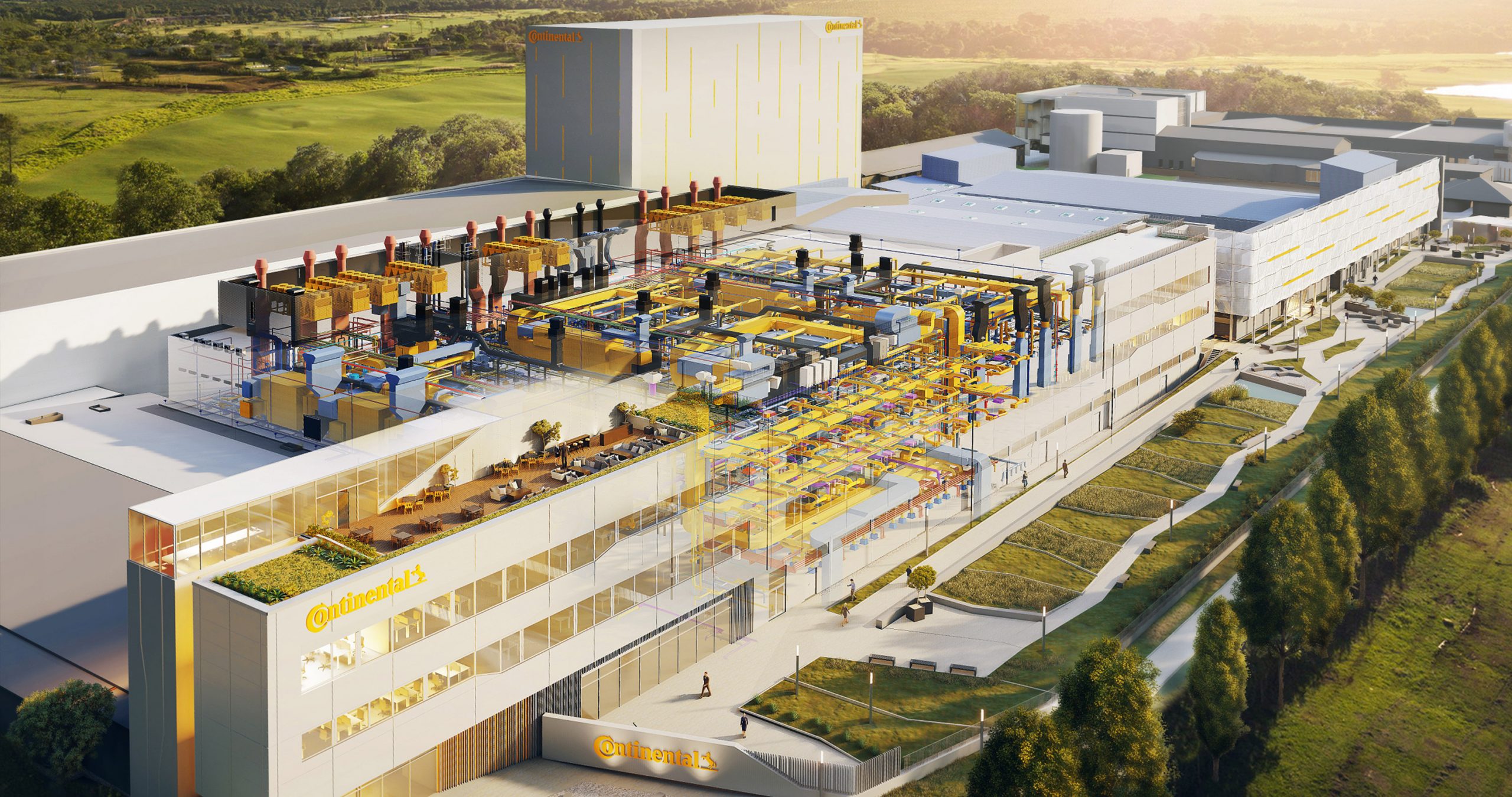
Already during design and construction, we build the asset, warranty and maintenance data required for operations, connect the as-built model to the CAFM system, and keep it up to date as the building changes.

FM · CAFM · BIM-BASED OPERATIONS
BIM-based FM / CAFM system implementation
Already during design and construction, we build the asset, warranty and maintenance data required for operations, connect the as-built model to the CAFM system, and keep it up to date as the building changes.
INSTEAD OF SPREADSHEETS AND PAPERWORK
Operational data in one place
Facility management brings together the technical, operational and commercial processes behind the day-to-day running of a building, all of which depend on accurate and up-to-date information.
Data management issues typically become visible after handover, when the operator has to search through hundreds or thousands of documents to find the warranty, maintenance requirements or manufacturer documentation for a specific asset.
By linking this information to the relevant BIM model elements during design and construction, operations can start with a structured, searchable dataset.
01 Management of lease agreements and the related technical obligations.
02 Tracking warranty periods and asset-specific warranty conditions.
03 Scheduling planned maintenance, inspections and warranty interventions.
04 Managing internal moves, space changes and the related building data.
05 Tracking the tasks and performance of external service providers – including cleaning, MEP maintenance and fire protection.
THE COST OF BAD DATA
The question is not whether it pays off, but how much incomplete information costs
Poorly structured and difficult-to-access building data takes time away from operations teams, leads to parallel data management and increases the risk of technical information reaching the right person too late or in an incorrect form.
One study found that 68% of the costs resulting from inadequate information interoperability were borne by owners and operators. Of their losses, 85% occurred during the operations and maintenance phase.
Source: NIST GCR 04-867, Cost Analysis of Inadequate Interoperability in the U.S. Capital Facilities Industry, 2004
FROM REACTIVE TO PREDICTIVE
From operational data to a working FM/CAFM system
The same team manages the data structure, model and system integration, allowing operational requirements to influence the project from the design stage. BuildEXT implements and configures FM/CAFM systems based on the digital building model, then complements the building data with sensor information and portfolio-level data management.
01 Defining operational information requirements
We define the asset data, warranty information, maintenance requirements and reports needed for day-to-day operations. Information requirements are documented in line with the principles of ISO 19650-3.
02 Survey and digitalisation of existing buildings
Where no suitable BIM model is available, we create the digital basis for FM implementation through laser scanning and Scan-to-BIM modelling.
03 Preparing the BIM model for operations
We define the geometric and information detail required for operations, together with the asset identification system and data structure. Manufacturer documentation, warranties and maintenance information can then be linked directly to the relevant asset.
04 CDE and FM / CAFM system integration
We connect the information from the BIM model and the Common Data Environment to the FM/CAFM system. Maintenance and warranty deadlines are configured together with the related tasks, notifications and responsibilities.
05 Sensor data integration and predictive operations
We connect live building data to the FM system, allowing maintenance requirements to be identified earlier, reducing the risk of unplanned downtime and providing the data foundation for predictive maintenance.
06 Implementation, training and operational handover
We configure the system around the operational processes and train its users. The dataset remains manageable, updatable and transferable in the long term, including in the event of a change of service provider.
07 Digital portfolio management and model maintenance
We continuously update the BIM models and operational data across the property portfolio. The model follows tenant, technical and space-use changes, ensuring that it reflects the building’s current state.
NUMBERS AND CASE STUDIES
ROI in practice
The value of FM preparation becomes particularly clear in large portfolios, leased properties and buildings with complex technical systems. In these cases, even a small data discrepancy can have a direct financial or operational impact.

BIM in Facility Management
How can a 3% discrepancy in floor area translate into hundreds of millions of forints in lost revenue over a 30–40-year operating period?

What does BIM-based facility management cost?
According to NIST research, 68% of the costs caused by inadequate information interoperability were borne by owners and operators, with 85% of their costs occurring during the operations phase.

BIM-based FM implementation on a university campus
At Northumbria University’s 120,000 m² campus, model-based data management was estimated to eliminate the need for one full-time CAD technician, equivalent to £25,000 per year.

3 DIMENSIONS, ONE CDE
Design, investment
& information
on one platform
In every project, we connect three professional perspectives: design thinking, engineering control and digital continuity. This is the foundation of how we work: regardless of which service area the collaboration starts with, these three perspectives help make the project more transparent, better coordinated and usable over the long term.
01
Design Thinking
Operational requirements are considered from the design stage. This means the information needed at handover is built into the project data rather than assembled retrospectively.
02
Engineering Control
Asset data, warranties and maintenance requirements are added to the model through controlled processes. Technical content and the operational data structure are developed together.
03
Digital Continuity
Up-to-date FM/CAFM data and the as-built model support not only day-to-day operations but also provide a reliable basis for future refurbishments and alterations.
CONTACT
New development or existing portfolio?
Let’s talk about it in advance.
The FM data structure is best defined before years of project information accumulate across separate models, spreadsheets and document repositories.
Is there a suitable BIM model, or is a Scan-to-BIM survey required?
What asset, warranty and maintenance data is needed for day-to-day operations?
Which FM/CAFM system best fits the portfolio and the existing CDE environment?
Should the next step be an information requirements assessment, a pilot implementation or a full system rollout?
During an initial technical consultation, we review the building or portfolio’s current data, operational requirements and the possible next steps for FM / CAFM implementation.
HEADQUARTERS
BuildEXT Ltd.
1027 Budapest, Horvát utca 14-24.
ZenGarden Office Building
+36 1 386 7505