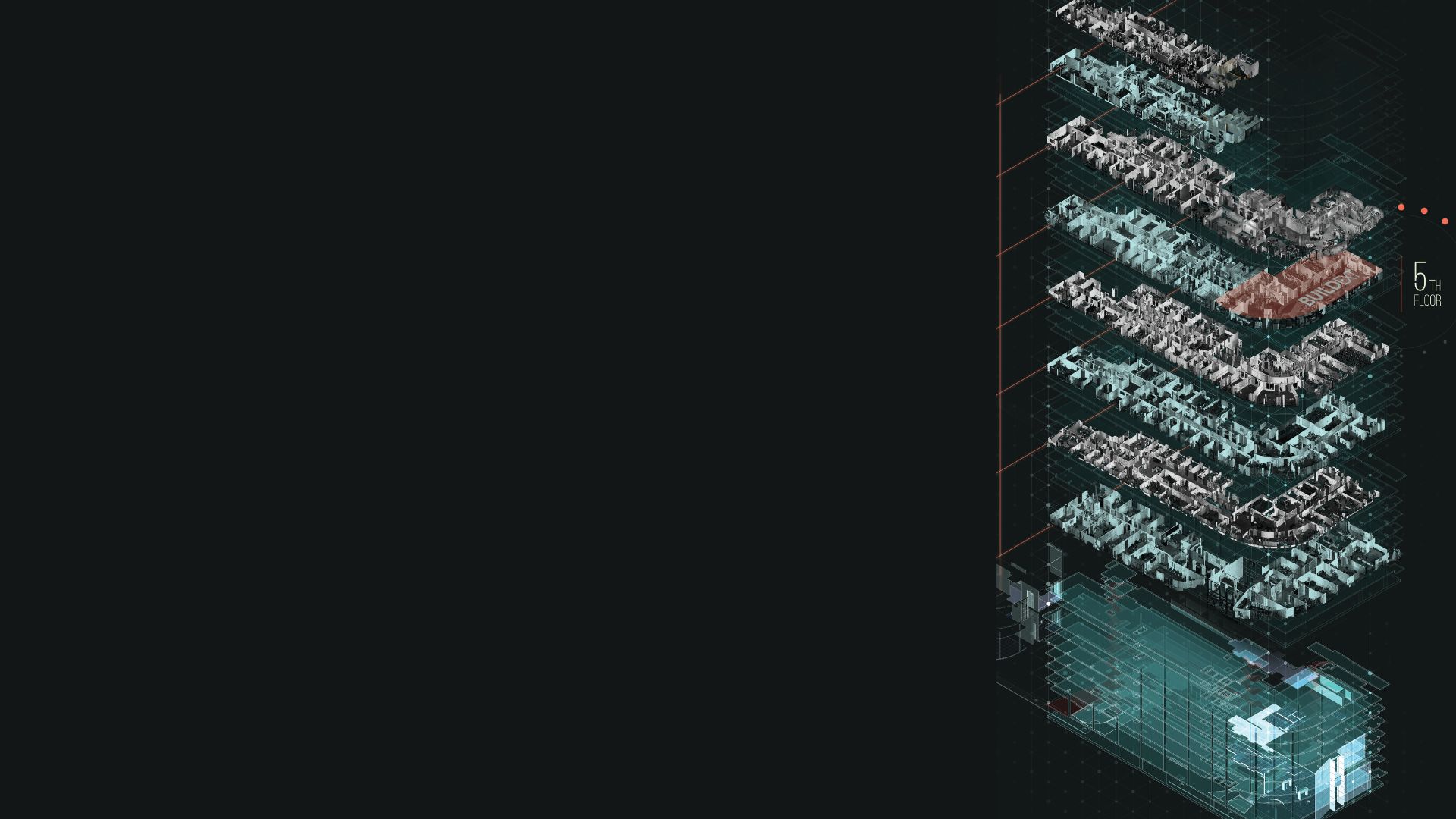
BIM · CDE · ISO 19650 · FM-PREPARATION
Digital Solutions
BIM, CDE and information management solutions from design through construction to operation, so project data does not get lost between phases.
BIM · CDE · ISO 19650 · FM-PREPARATION
Digital Solutions
BIM, CDE and information management solutions from design through construction to operation, so project data does not get lost between phases.
How we help
In digital integration, we organise the project’s models, design data, documents, decisions and changes into a shared, controlled information system: through BIM strategy, CDE workflows, model coordination, document control, Scan-to-BIM and handover data prepared for operation.
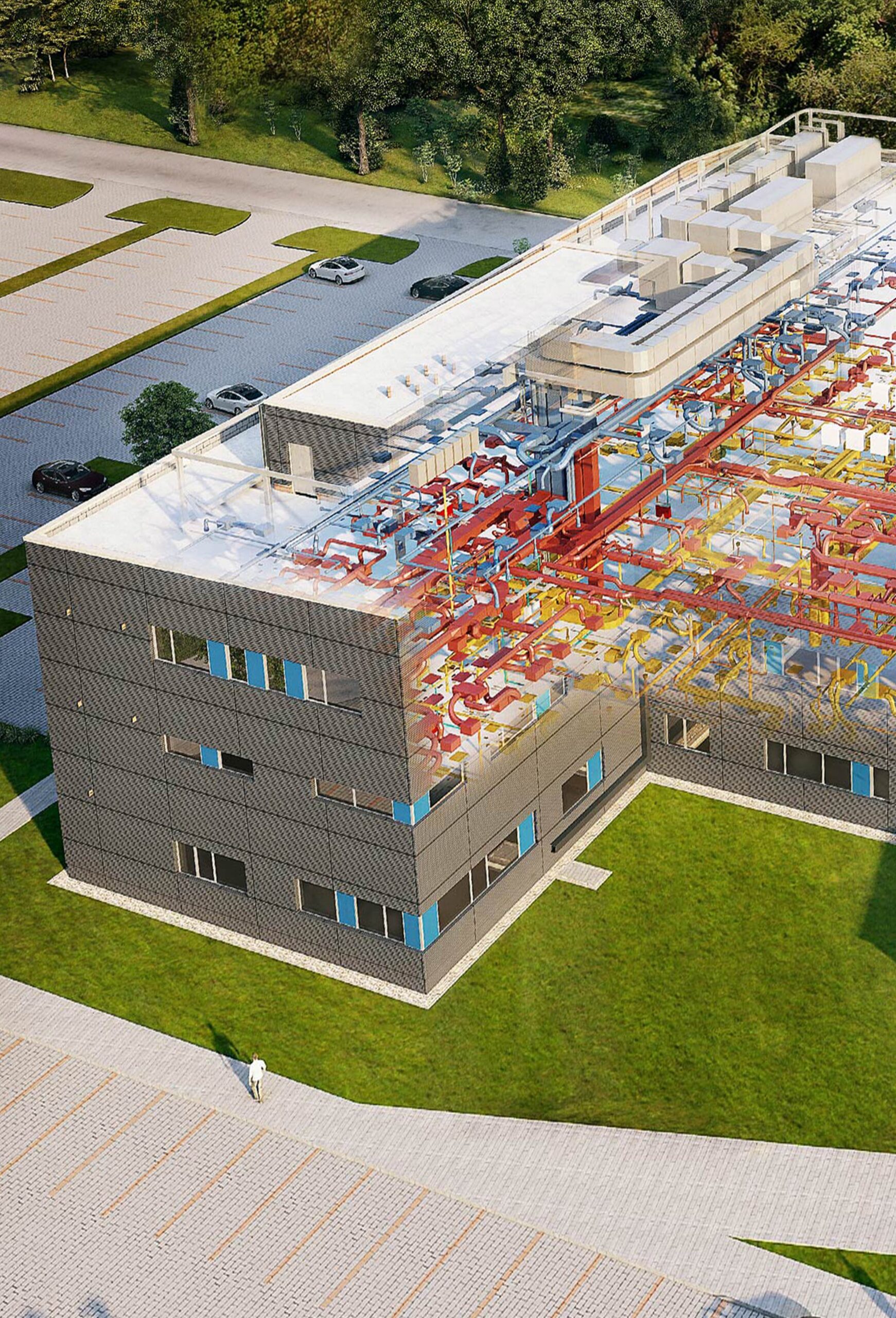
RELIABLE DATA
Less information loss, better project control
A construction project creates a large amount of information: models, drawings, approvals, decisions, open issues, changes, issue logs, quantities and operational data. Its value can quickly disappear if it continues to live in separate folders, emails, different versions or in different structures for each project participant.
The purpose of digital integration is to support design, construction and handover with project information that is organised, traceable and controlled.
This is especially important when:
- several disciplines, designers, contractors or consultants work in parallel,
- many drawing versions, decisions and approvals must be tracked,
- BIM-based design or model coordination is required,
- a common data environment must be introduced or operated,
- an existing building must be digitised using Scan-to-BIM,
- an ISO 19650-based information management logic is required,
- handover documentation must also be usable for operational purposes.
Good digital integration does not start as a software implementation. First, it must be clarified what information is needed, who will use it, when it is updated, how it can be checked, and how it moves into the next project phase.
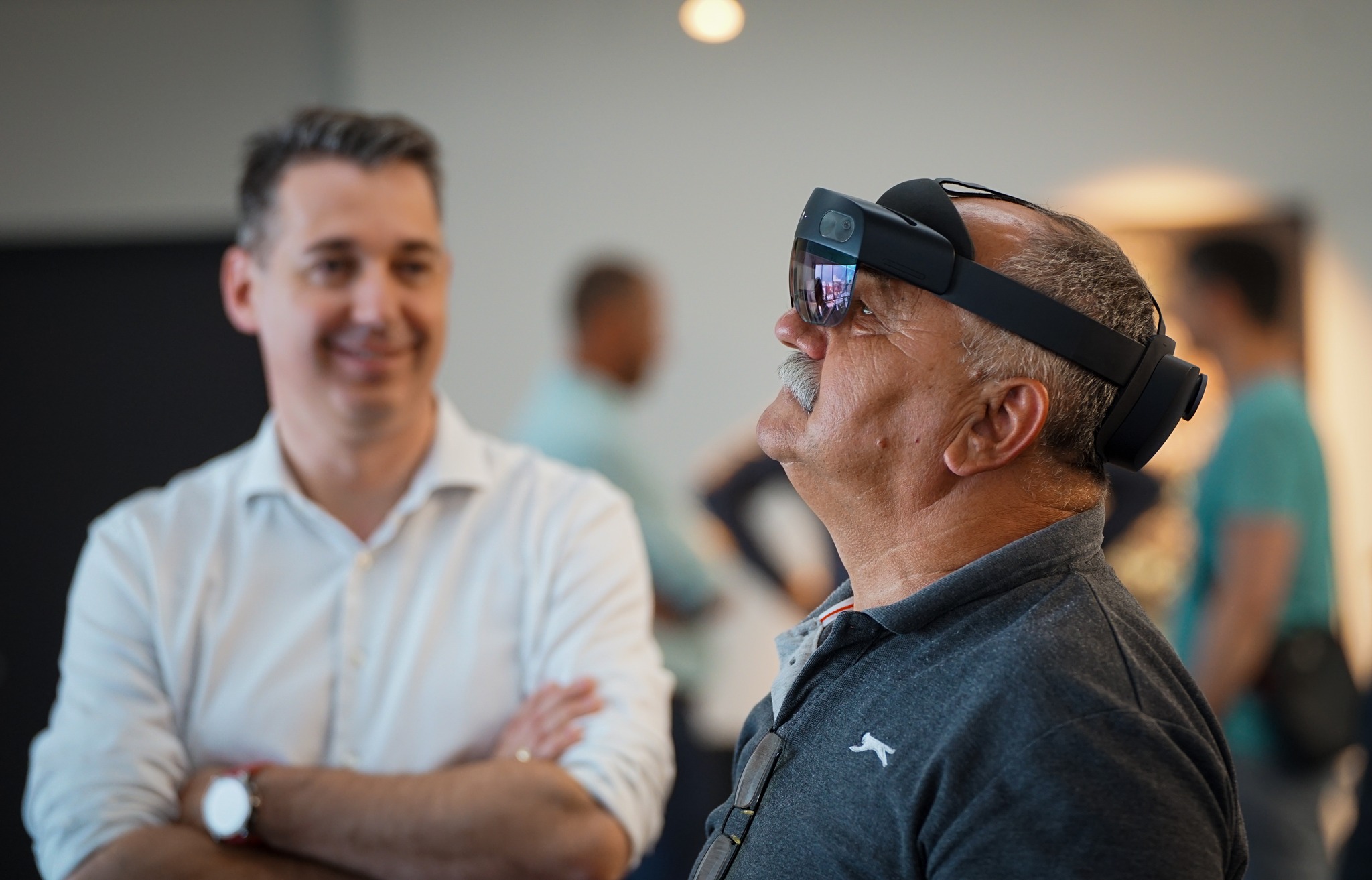
With the implementation of an ISO 19650-based Common Data Environment (CDE) and project platform, all project participants can immediately view the same information. This eliminates misunderstandings, finger-pointing, and construction based on outdated plans.
OUR APPROACH
Unified, centralised data
We connect models, documents and project data to design decisions, discipline coordination, construction issues and operational requirements. This makes information the basis of project control and decision support.
01
BIM and information management strategy
We define the foundations of the project’s digital workflow: what models, documents, data, approval processes and handover information will be needed.
We set the BIM objectives, information requirements, collaboration rules and the points where digital workflows must directly support client decisions.
02
Common Data Environment setup
We create a CDE structure for managing models, drawings, documents, decisions, approvals and communication. The goal is for every participant to work from the same valid information.
A well-structured common data environment reduces version confusion, makes responsibilities more transparent, and helps track when and based on which decision the project changed.
03
Model coordination and data standards
We manage, check and develop discipline models based on a shared coordination logic. During model coordination, we review not only geometric clashes, but also the information content and usability of the model. Data standards help ensure that the model can be used not only for design, but also for tendering, construction, handover and later operation.
04
Document control and version management
We provide structured version management for drawings, technical descriptions, models, meeting minutes, decision materials and approvals. This is especially important in projects where many participants work at the same time, and one outdated document can create serious cost, schedule or construction risks.
05
Scan-to-BIM and existing-condition digitisation
We support the survey and digital processing of existing buildings, spaces or facilities. Verified model bases can be created from point clouds, existing drawings and on-site information.
Scan-to-BIM is particularly useful for refurbishments, extensions and projects where design would be risky without accurate knowledge of the existing condition.
06
Digital handover and FM preparation
We organise handover documentation, models and data also from an operational perspective. The goal is for the completed building to have not only a design package, but also a usable technical information base.
Well-prepared handover data supports maintenance, later refurbishments, leasing, operational decisions and the long-term value preservation of the building.
INFORMATION CONTINUITY IN A COMMON DATA ENVIRONMENT
From design information to operational data
During digital integration, project information is brought into a shared system: models, drawings, decisions, approvals, issue logs, changes, documents, quantities and operational data.
This information can support the project when it serves more than the immediate needs of a single phase. The purpose of CDE and BIM-based information management is to make the path of data traceable from design through construction to handover.
01 Clarification of Information Requirements
We will identify the models, documents, data, and handover information required for the project.
➔ clearer expectations, a more precise digital scope.
02 Designing a Common Data Structure
We organize the project’s models, documents, decisions, and approvals into a unified system.
➔ fewer version conflicts, more transparent project operations.
03 Integrating Design and Construction Information
Models, drawings, open issues, changes, and approvals are not handled as separate threads but can be managed as interconnected project information.
➔ faster retrieval, better decision-making.
04 Tracking Model and Document Versions
Current and previous design statuses, model versions, and documents are available through a controlled access system.
➔ fewer broken links, less uncertainty in implementation.
05 Preparing handover data
The technical, modeling, and documentation data required at the end of the project are not collected retrospectively, but are built up gradually throughout the process.
➔ a more organized handover, with fewer gaps in information.
06 Project data available for operations
The data set generated during the digital handover can serve as the information basis for maintenance, renovation, leasing, and future developments.
➔ better operational support, building information that can be used over the long term.
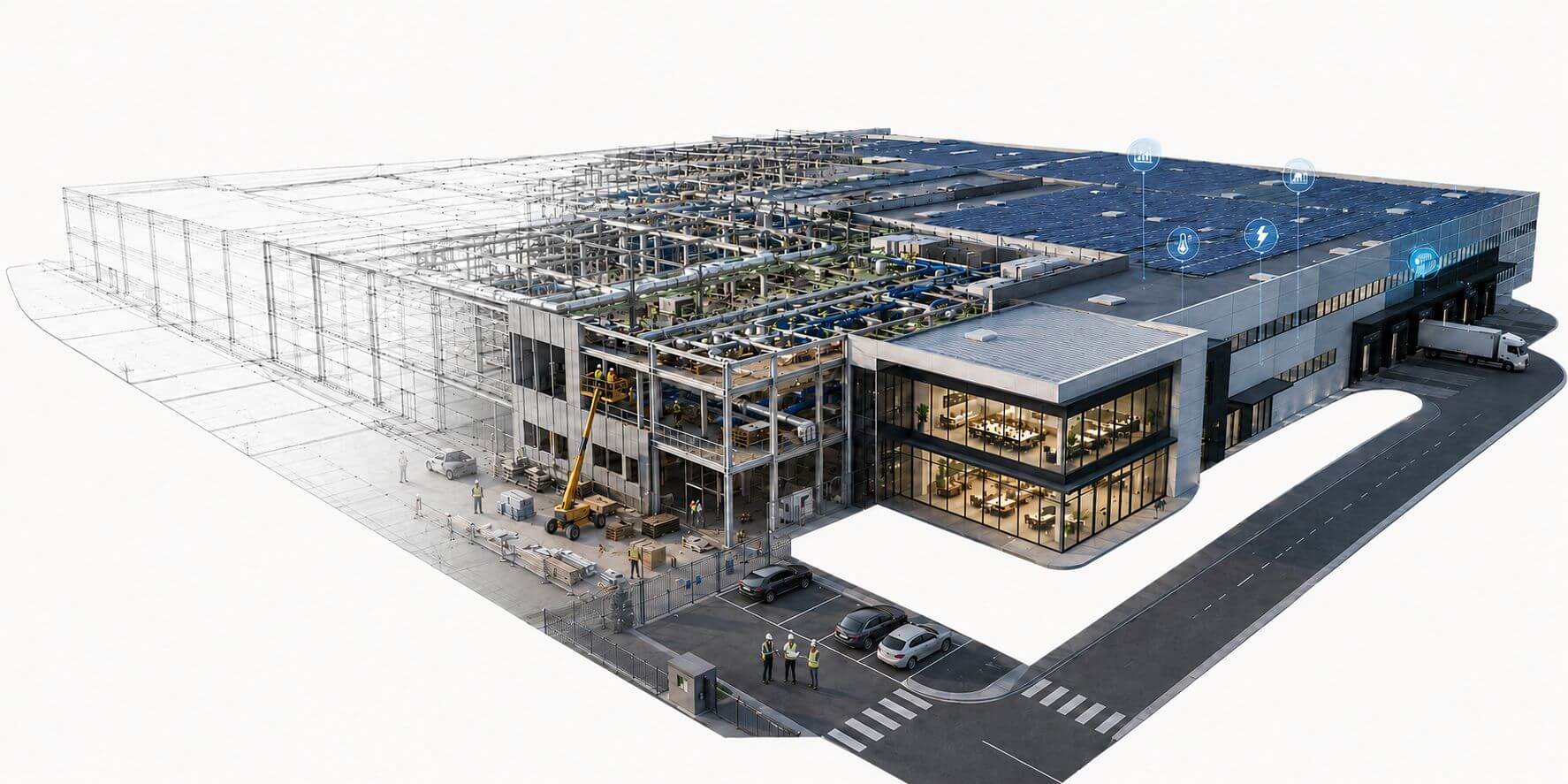
THREE DIMENSIONS, ONE PLATFORM
Typical project situations
In digital integration, we bring together design, engineering, and operational aspects within a common data environment. This ensures that models, design versions, decisions, changes, and handover data remain within a traceable system, giving clients greater control throughout the entire project process.
01
Existing building refurbishment or extension
When there may be a gap between the actual condition, old documentation and new design requirements, digital surveying and Scan-to-BIM provide a more accurate starting point.
02
Multi-stakeholder design or construction process
When many disciplines, consultants and contractors are involved, CDE, document control and model coordination help prevent the project from operating in separate information silos.
03
BIM-based design or ISO 19650 project
If the client defines BIM requirements, or the project follows an ISO 19650 logic, model, data and documentation rules must be clarified at an early stage.
04
Operation-ready handover
If handover documentation must later support FM, maintenance, leasing or portfolio-level building management, the required data should be structured during the project, not only at the end.
CASE STUDIES
Specific digital integration situations
The value of digital integration becomes clearest in projects where the volume, changeability or later use of project information is critical. In the following situations, BIM, CDE and information continuity directly support client decisions and delivery.
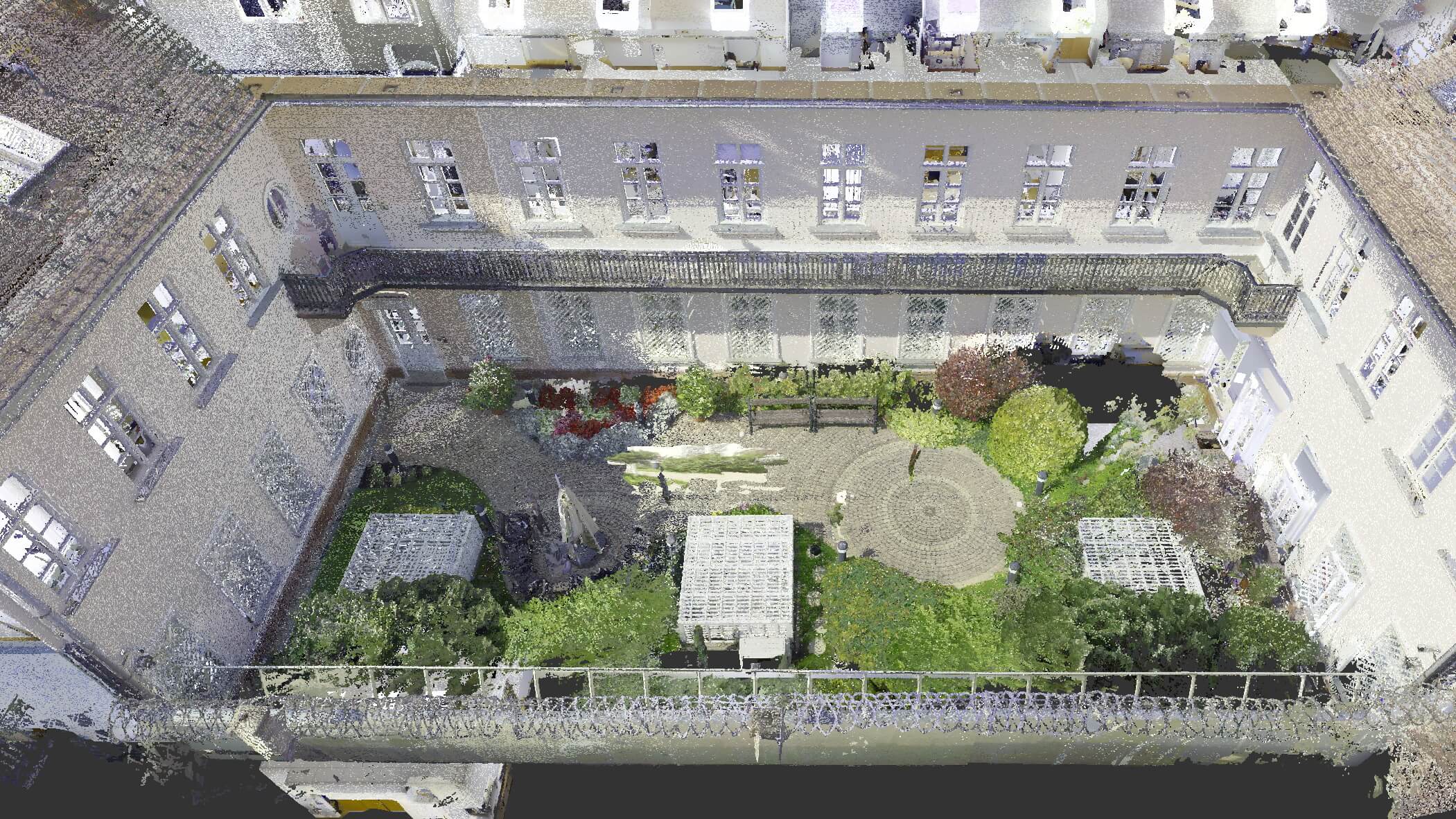
Existing office building digitisation
Accurate digital surveying and model-based processing of an existing building support space management, refurbishments, maintenance and leasing processes. Digitised building information can become the basis for later decisions.
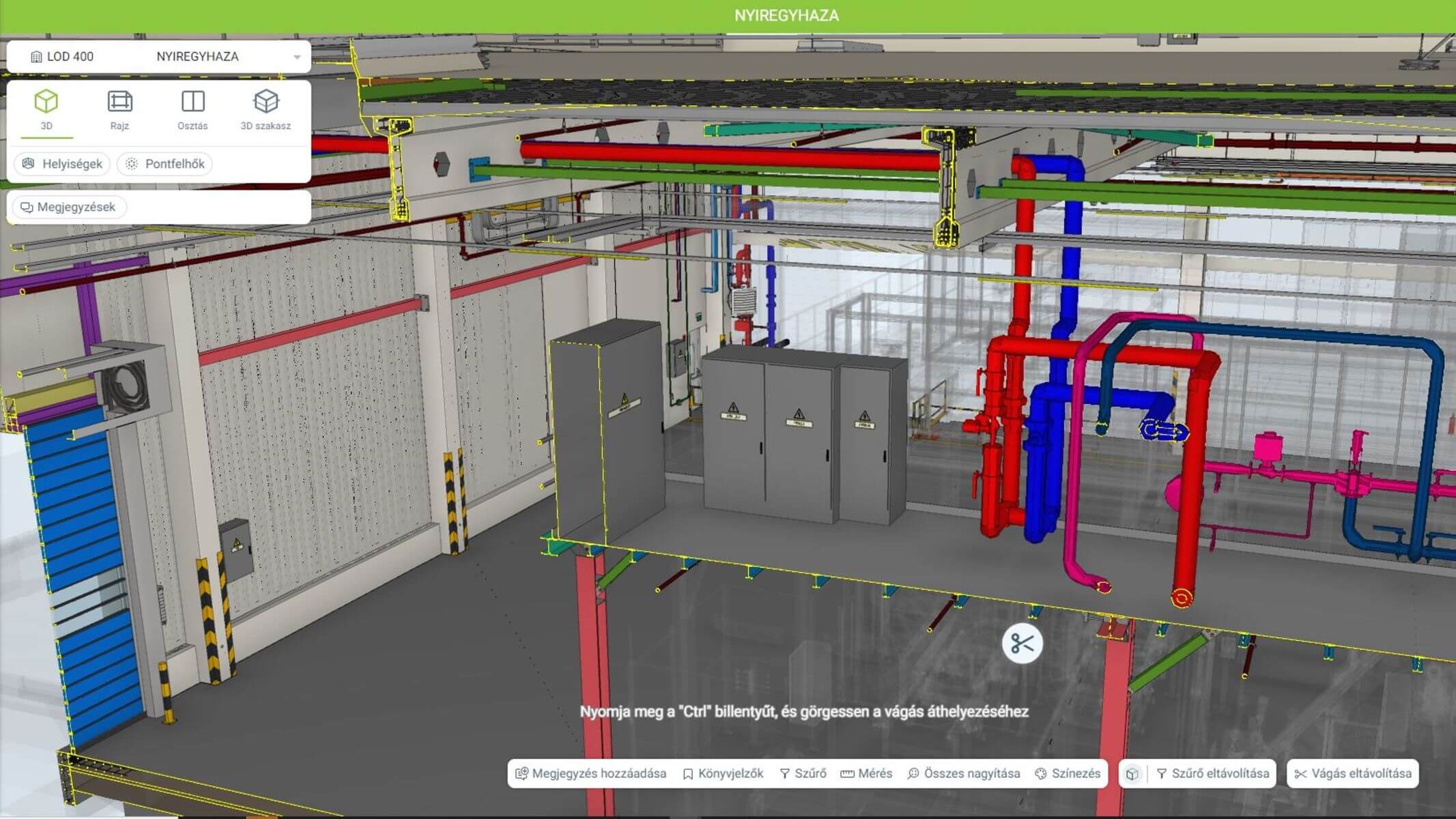
BIM-based industrial extension
In an industrial environment, the existing condition, technological requirements, discipline systems and construction constraints are closely connected. BIM-based model coordination helps manage these in one shared, controlled system.
Office building ready for operations
Digital handover works well when the model, design documentation, and technical data related to the building are organized according to operational needs. This ensures that building information is not limited to the handover phase but remains usable throughout the building’s operational life.
300 000 m²
PER YEAR
0 week
DELAY IN DELIVERY
2008
FOUNDED
ISO 19650
CERTIFICATION
“We wanted to have a single partner responsible for the entire process. BuildEXT managed the project from concept to handover, and the deadline wasn’t delayed by even a single week.”
AUTOMOTIVE COMPANY, CEO, VESZPRÉM
CONTACT
Are you about to start a project?
Let’s talk about it in advance.
During an initial technical meeting, we will review the current status of the project, the decisions that need to be made, and which design, technical, or BIM coordination issues should be addressed early on.
No strings attached and no obligation to accept an offer.
HEADQUARTERS
BuildEXT Ltd.
1027 Budapest, Horvát utca 14-24.
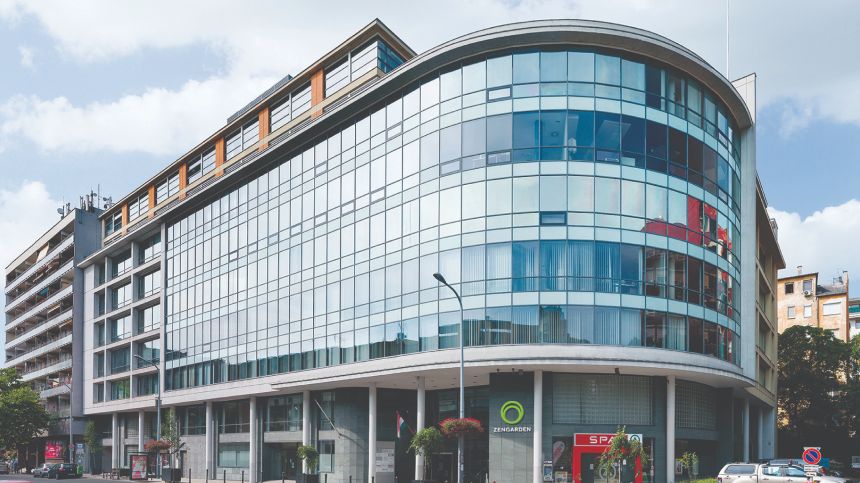
ZenGarden Office Building
+36 1 345 2000
INTERNATIONAL OFFICE
BuildEXT GmbH
Maximilianstrasse 27
80539 München