The Council Supported the Sárospatak Campus Plan Without Requiring Changes
- April 1, 2026
The plan for the Tokaj-Hegyalja University campus in Sárospatak received important professional recognition: in its February 2026 decision, the National Architectural Design Council supported the implementation of the concept without requiring any changes, accompanied by several highly appreciative remarks.
Ez erős visszaigazolás egy olyan projekt esetében, amelynek egyszerre kellett korszerű egyetemi működésre választ adnia és érzékenyen kapcsolódnia Sárospatak történelmi városszövetéhez.
A terv kiindulópontja nem egyszerűen egy új épület létrehozása volt, hanem egy valódi campus megteremtése. A fejlesztés célja, hogy a Tokaj-Hegyalja Egyetem bővülésével együtt olyan korszerű oktatási, lakhatási, közösségi, étkezési és sportolási környezet jöjjön létre, amely hosszú távon is vonzó a felsőoktatásba lépő fiatalok számára. A projekt hátterében egy jelentős intézményi növekedési igény áll, miközben a helyszín városképi és kulturális szempontból is érzékeny, hiszen Sárospatak kiemelt történeti közegben, a tokaj-hegyaljai világörökségi környezet közelében fekszik.

In response to this context, the design does not propose a new iconic building, but a disciplined architectural solution that fits naturally into the town. The campus is organised into two building volumes with an inner courtyard system, carefully considered functional relationships, and community spaces that are capable of serving not only everyday university life, but also larger city and university events.
The central hall and its connected community zones function at the same time as circulation hubs, meeting places and event spaces, while the individual functions remain clearly separated and yet organically connected to one another.

“Our goal was to design a campus that responds respectfully to the spirit of the place while offering a contemporary and genuine answer to the needs of university life today,” said Balázs Csapó, Lead Architect at BuildEXT.
One of the strengths of the plan is that it translates contemporary operational requirements into architecture not in opposition to the character of the place, but by building on it. The massing, the white rendered facades, the proportions of the roof forms, and the calm, orderly rhythm of the elevations all reflect the historic context while offering a contemporary, clean architectural response. The inner courtyards, transparent spatial connections and human-scaled community spaces reinforce the idea that this campus should function not as a closed institutional block, but as a liveable and usable university environment.

From an urban perspective, the project also represents more than a new development. The concept strengthens the university’s integration into the urban fabric, with larger green areas, more open connections, and a spatial organisation that also fits the everyday use of the surrounding neighbourhood. This is complemented by a strong approach to energy efficiency and sustainability, which appears not as a separate technical layer, but as a defining principle throughout the entire design.
For us, the Council’s support confirms that the campus plan is not only functionally and technically coherent, but also offers a credible architectural response to a complex situation. A university environment can emerge in Sárospatak that respects the town’s past while creating a working framework for the future of university life.

Related content
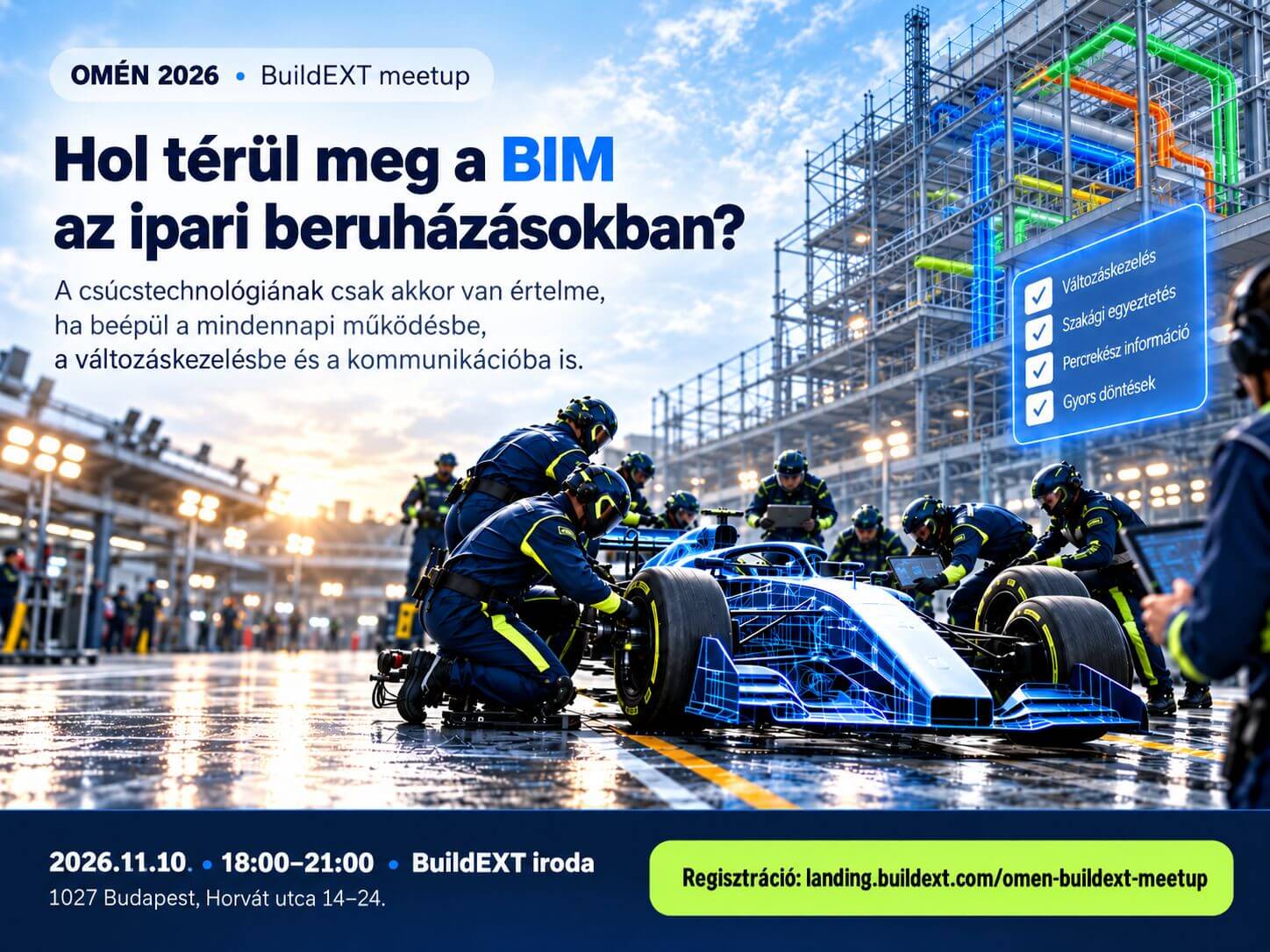
Where Does BIM Pay Off in Industrial Investments? BuildEXT Meetup as Part of OMÉN 2026
At the BuildEXT meetup held on November 10 as part of the National Hungarian Building Services Days, we will use real project situations to show what multidisciplinary coordination means in practice and where a well-functioning BIM-based project environment delivers tangible value.
read more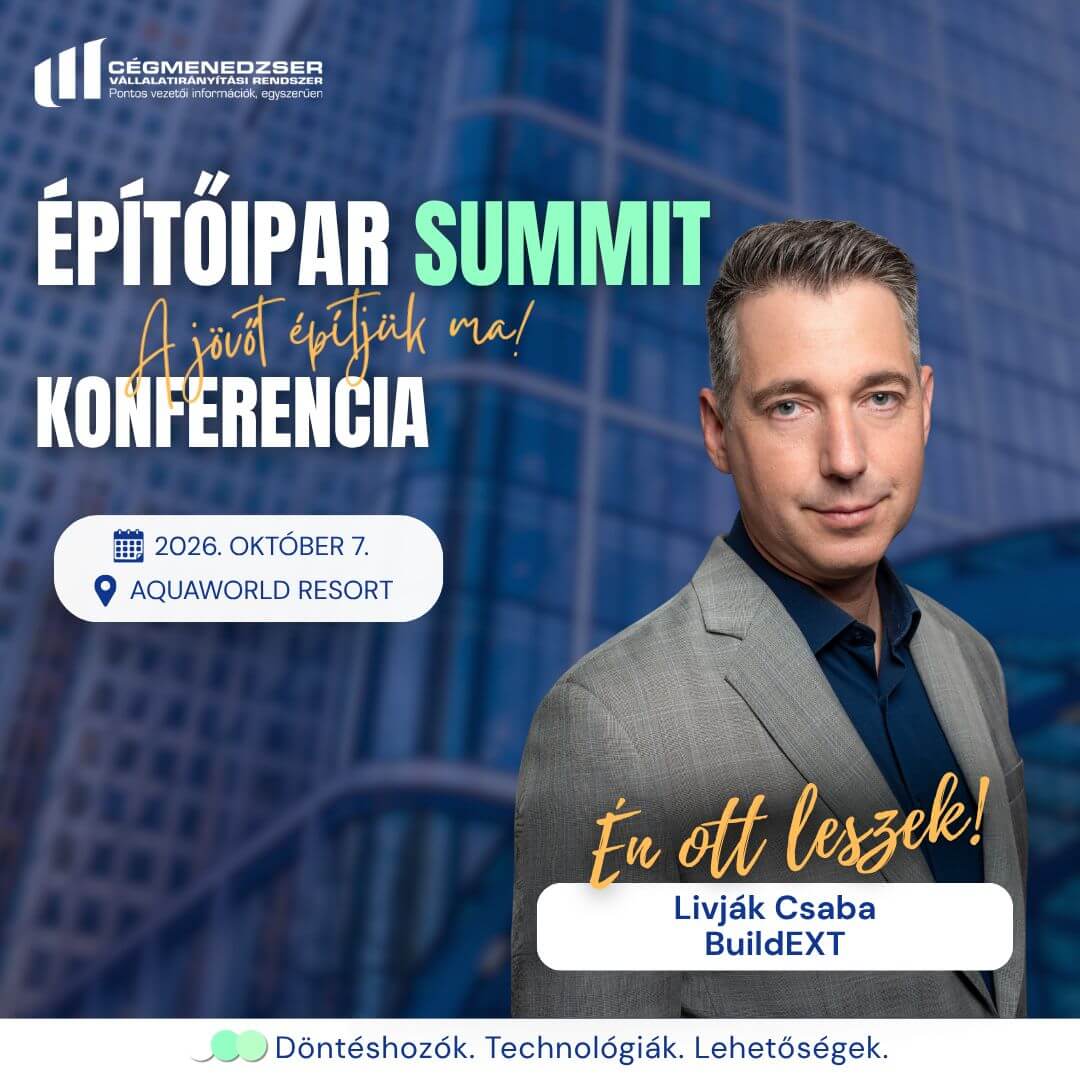
Does the digitalised company win? Építőipar Summit 2026
Építőipar Summit returns to Budapest on 7 October. Csaba Livják, Founder and CEO of BuildEXT, will take part in a […]
read more
Csaba Livják at Circular Economy Hotspot 2026
On 6 October, he will discuss how digital design and project management tools can support the transition towards circular construction.
read more